MATERIAL CONVEYING SPECIALISTS
SERVING THE POWER INDUSTRY SINCE 1998
OPTIMIZED “SLIDING” CHUTE DESIGN TO REDUCE BLOCKAGES AND MAINTENANCE
Flow-Curve Smart transfer chutes
FULLY ENCLOSED PNEUMATIC CONVEYING TO REDUCE DUST AND MAINTENANCE
AUTOMATED MILL REJECTS REMOVAL SYSTEM
EXPERIENCE
Since 1998, we’ve partnered with coal-fired power plants to solve complex material handling challenges. With decades of hands-on experience in the energy sector, we understand the demands of continuous operation, system reliability, and maintenance reduction - and we design every solution accordingly.
reliability
One of our original pneumatic conveying systems has operated continuously for 10+ years - handling highly abrasive material while achieving zero unscheduled downtime.
TRUST
Trusted by over 100 clients across 150+ projects, our solutions are deployed in nationally owned coal-fired power plants throughout China - proven in one of the world’s largest and most demanding energy sectors.
From Water & dust to Clean PNEUMATIC Conveying
-
Most coal-fired power plants handle mill rejects using either hydraulic sluicing systems or mechanical conveyors such as drag chains, belts, or screw conveyors.
Hydraulic systems transport rejects as a slurry using water, moving material through pipelines to settling ponds or dewatering systems. Mechanical systems rely on physical equipment—chains, belts, and rotating components—to move rejects from hoppers to storage or disposal.
These approaches have been widely used due to their simplicity and ability to handle coarse, abrasive material. Mechanical conveyors, in particular, are often selected for heavy-duty applications because they can move large, dense materials through direct contact.
-
Conventional systems introduce ongoing operational, environmental, and maintenance challenges—especially with abrasive mill rejects.
Hydraulic System Limitations
High Water Use — Increased cost and complexity
Environmental Risk — Ash ponds and slurry systems face tightening regulations
Complex Infrastructure — Pumps, pipelines, and water treatment required
Mechanical Conveyor Limitations
High Wear & Maintenance — Continuous component wear and servicing
Downtime Risk — Failures interrupt operation
Dust & Spillage — Open systems create material loss and dust exposure
-
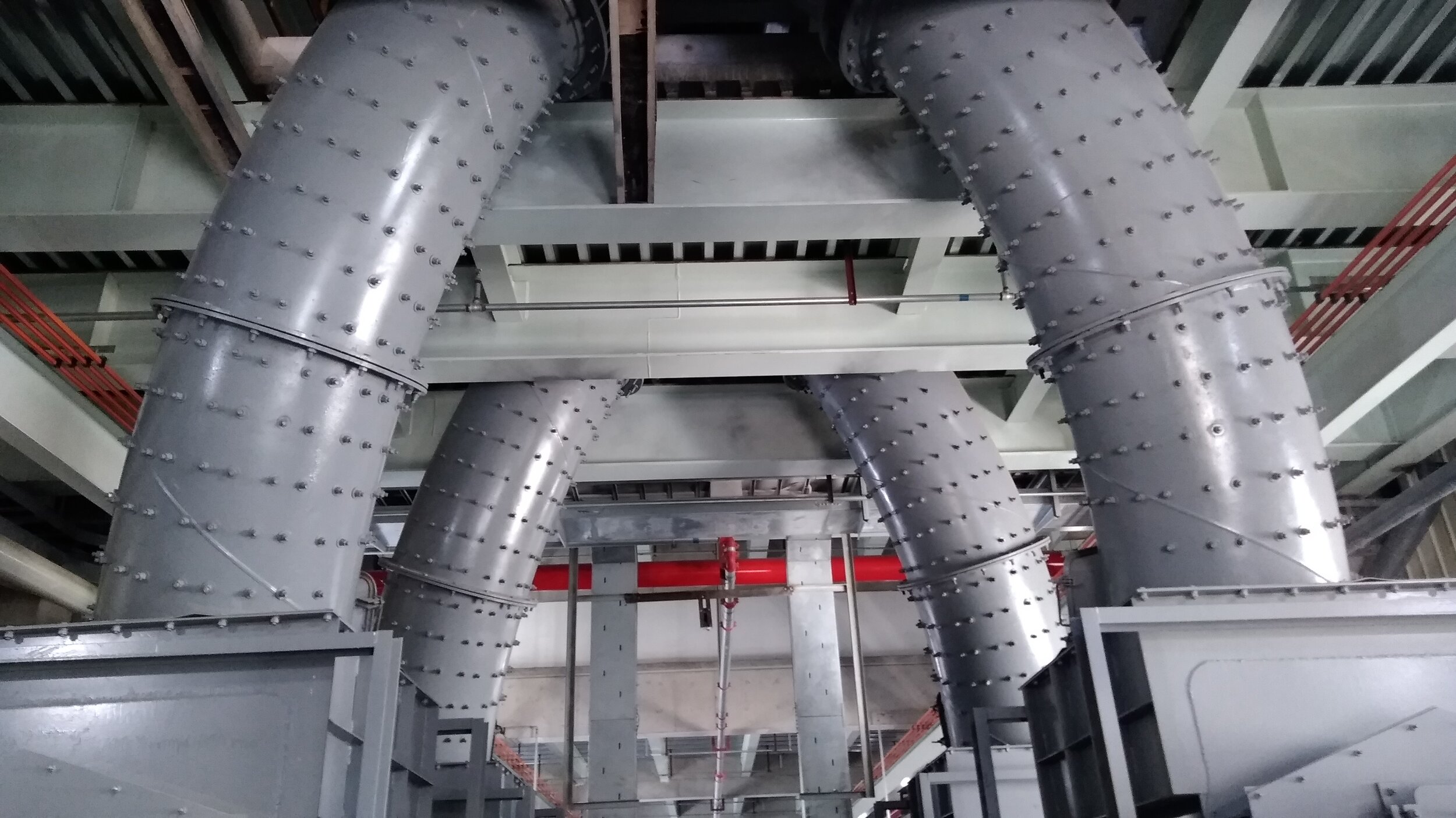
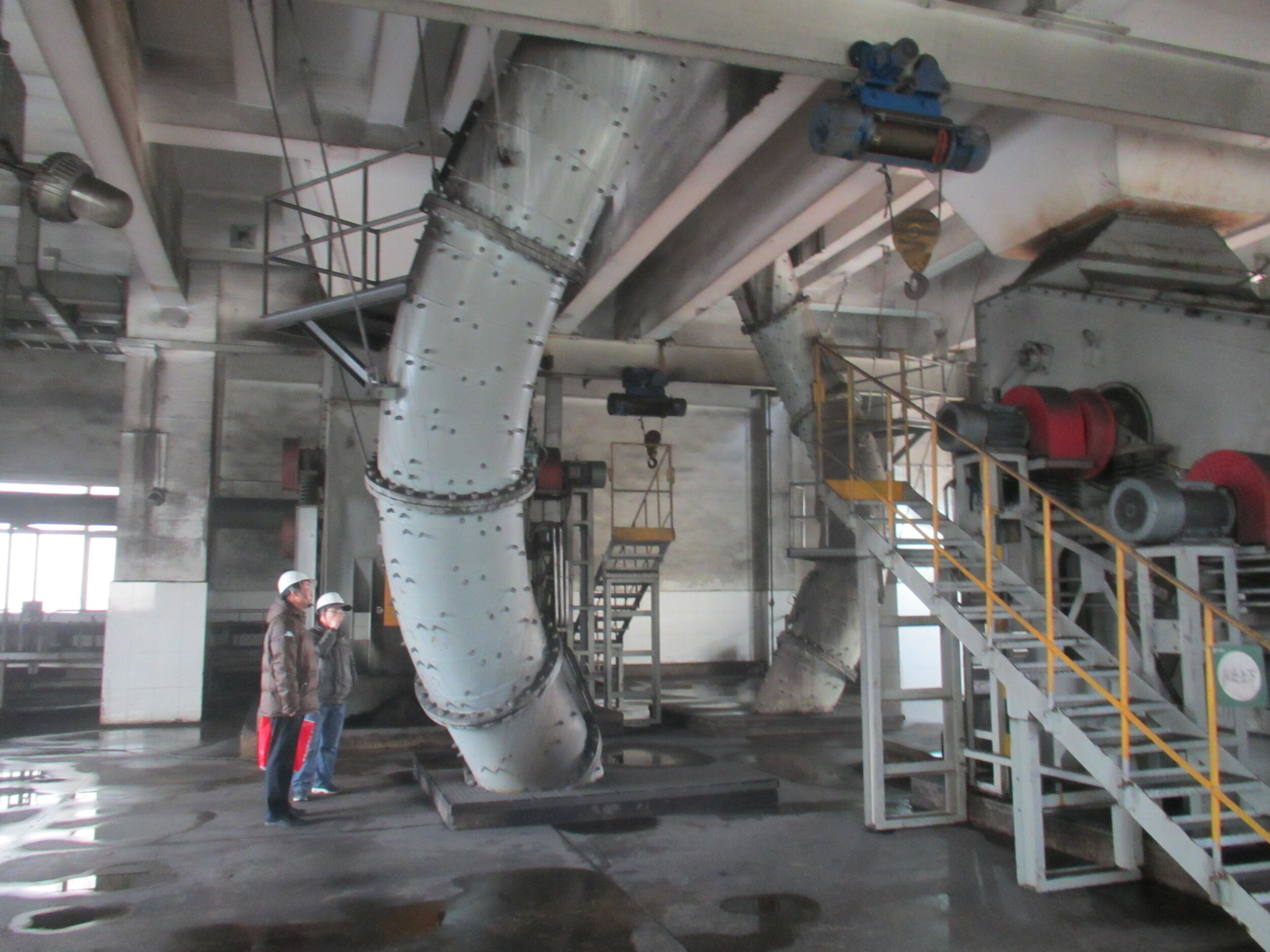
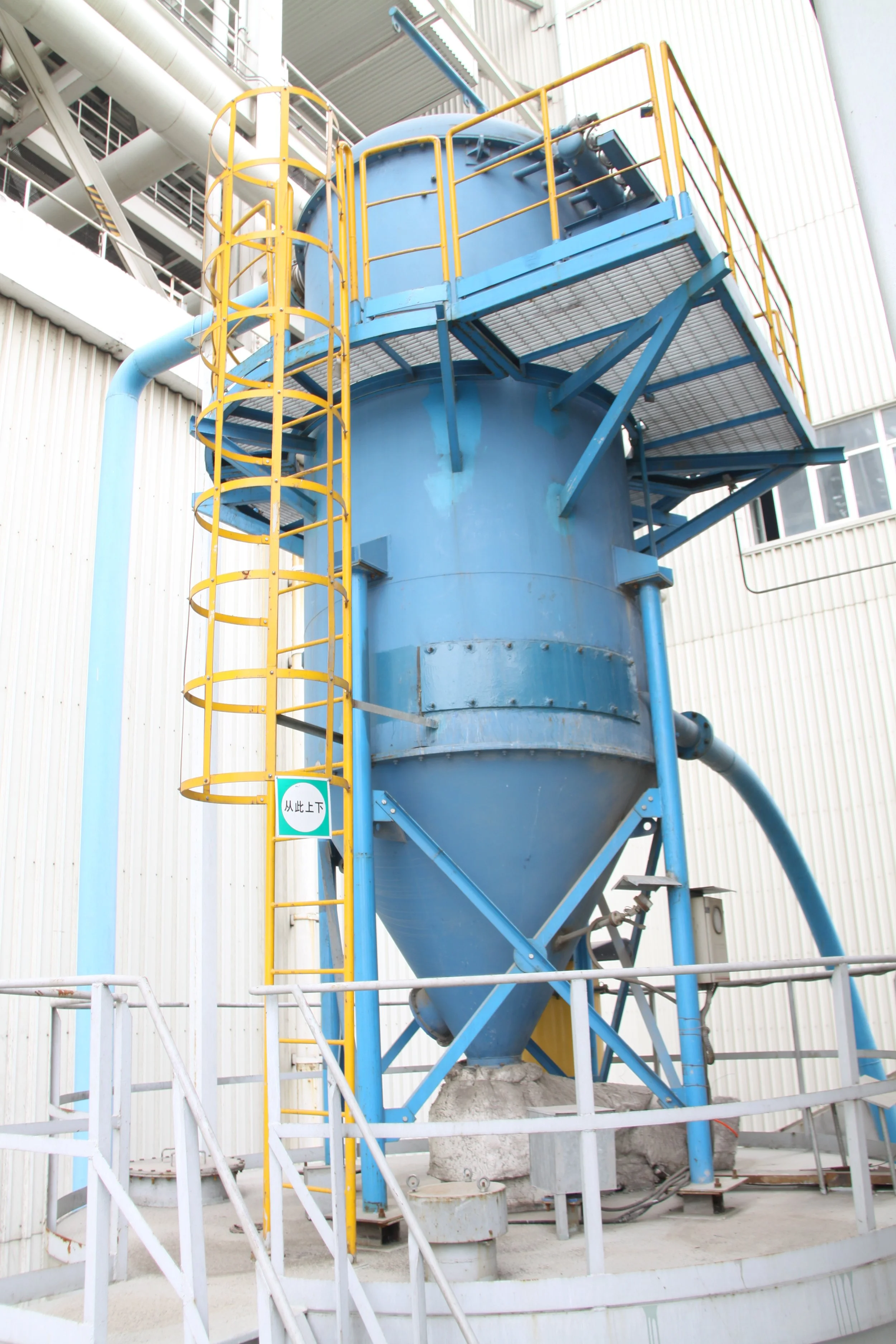
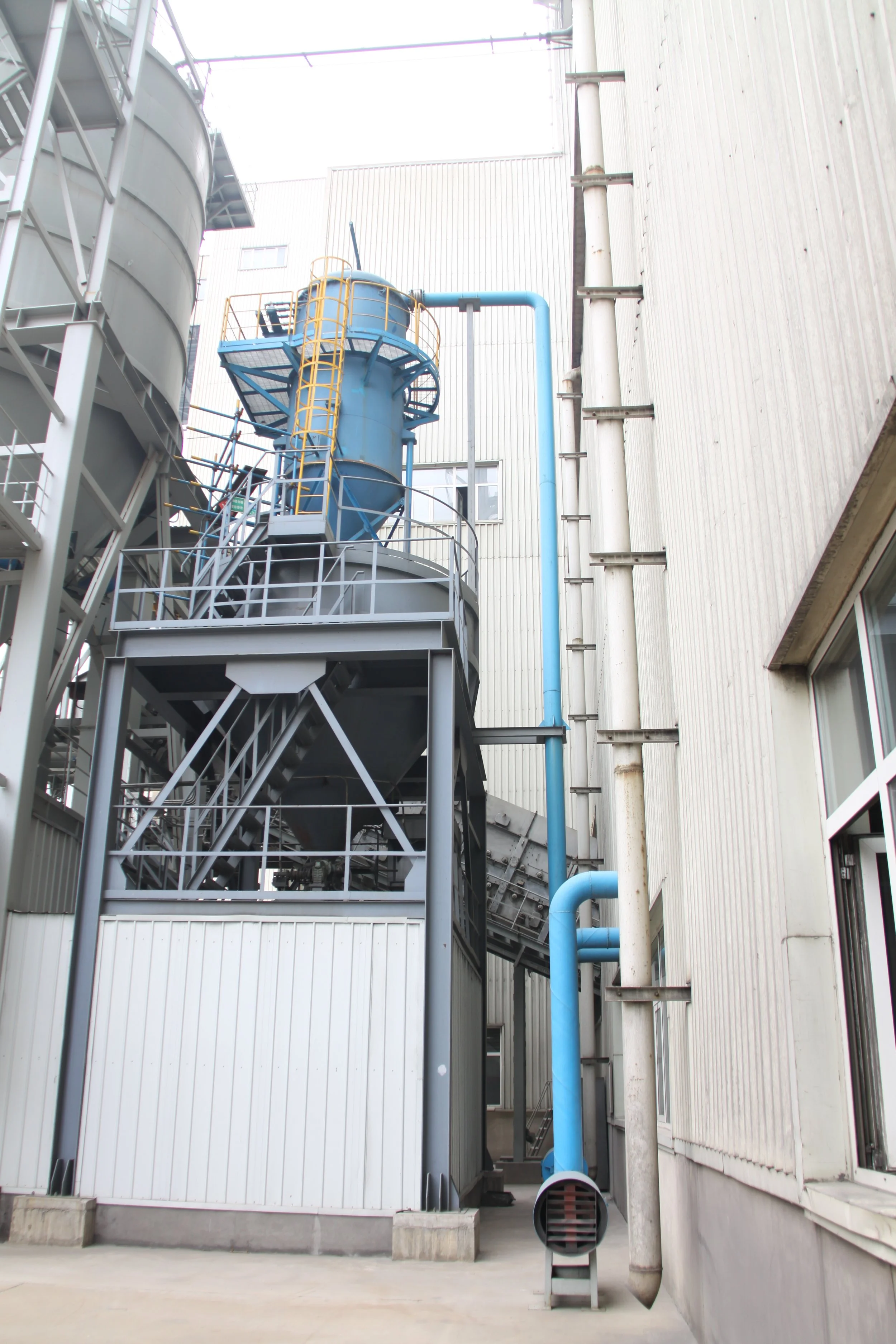
Our pneumatic conveying systems provide a fully enclosed, dry solution for mill reject handling—eliminating water usage and reducing reliance on mechanical components.
Using controlled airflow, rejects are transported through a sealed pipeline to a collection silo or storage system. This approach transforms mill reject handling into a clean, reliable, and low-maintenance process, with one of our original systems running continuously for over 10 years with zero unscheduled downtime.
Key Advantages:
Eliminates Water-Based Handling
No sluice water, ash ponds, or slurry managementReduced Maintenance & Wear
Fewer moving parts significantly lower maintenance requirements and system downtimeEnclosed, Dust-Free Operation
Prevents spillage and minimizes environmental exposureFlexible System Layout
Easily routes around existing equipment and integrates into retrofit projectsImproved Reliability
Designed for continuous operation—even when handling highly abrasive materialsCleaner, Safer Operation
Eliminates many of the risks associated with open or mechanical systems
By replacing hydraulic and mechanical systems with pneumatic conveying, plants can reduce environmental risk, lower maintenance costs, and achieve a more reliable, future-ready solution.
Proven in Continuous Operation
Watch our pneumatic conveying system in action at a Beijing coal-fired power plant and learn how we delivered over a decade of reliable performance handling abrasive mill rejects.
Turning Free-Falling Material into Engineered Flow
-
Conventional transfer chutes rely on a simple straight-drop design, where material falls directly from one conveyor to another under gravity. While widely used, these systems are typically built around basic geometry rather than controlled material flow.
Material is allowed to free-fall through the chute, impacting the receiving belt at high velocity. In many cases, deflectors or rock boxes are added in an attempt to manage the flow, but performance often depends heavily on operating conditions and ongoing adjustments.
-
Straight-drop transfer chutes introduce significant inefficiencies and maintenance challenges due to uncontrolled material flow.
When bulk material free-falls onto a conveyor, the high-impact loading creates turbulence, dust, and excessive wear on belts and components.
Common issues include:
Excessive Belt Wear
High-velocity impact damages belts and shortens component lifeDust and Spillage
Turbulence and material separation create airborne dust and material lossOff-Center Loading & Mistracking
Uncontrolled flow leads to uneven belt loading and tracking issuesMaterial Build-Up & Blockages
Poor flow paths cause material to stick, accumulate, and restrict throughputHigh Maintenance Requirements
Frequent liner replacement, cleanup, and system adjustments
Ultimately, these systems treat the symptoms—rather than addressing the root cause: lack of controlled material flow.
-
Our engineered flow chute design replaces uncontrolled free-fall with a guided, continuous material stream.
Instead of dropping material directly onto the belt, the chute is shaped to follow the natural trajectory of the material—controlling its velocity, direction, and discharge point. This allows material to be transferred onto the receiving conveyor smoothly and at a controlled speed.
By managing the flow path, our system delivers:
Reduced Wear
Material is gently guided and decelerated, minimizing impact on belts and linersDust Suppression at the Source
Controlled flow reduces turbulence and airborne particulatesCentered, Stable Loading
Material is placed consistently in the center of the belt for improved trackingImproved Reliability
Eliminates common causes of buildup, blockage, and spillageLower Maintenance Costs
Less wear, fewer failures, and reduced cleanup requirements
This approach transforms the transfer point from a problem area into a controlled, optimized part of the system—improving both performance and long-term operating reliability.
"Landstrong completely changed our working environment for the better."
— Daihai Power Station, a 2400MW Coal-Fired Power Plant
Trusted by Leading Coal-Fired Power Plants
Zhuo Zhou Power Station, 700 MW
Chao Zhou Power Station, 3260 MW
Da Tang Lin Fen Power Station, 600 MW
Lu Zhai Power Station, 700 MW
Wu Sha Shan Power Station, 2400 MW
Ning Dong Power Station, 660 MW
LET’S WORK TOGETHER
If you're interested in working with us, complete the form with a few details about your project. We'll review your message and get back to you as soon as possible.